Materials, transparency & thoughtful shopping
What to Ask About Silk Sourcing When Considering Gingerlily
Silk has a way of making an everyday object feel special. But a smooth surface and a familiar fiber name tell only part of its story. When considering Gingerlily—or any silk label—shoppers can look beyond the feel of the fabric and ask where the fiber came from, how it was processed, and what the brand can document about the people, animals and places connected to its supply chain.
Published October 13, 2026
The label is a beginning, not the whole story
Silk is often described through qualities we can immediately appreciate: softness, sheen, drape and weight. Those details help shoppers understand how a textile may look and perform. They do not, on their own, explain how its raw fiber was obtained or whether the journey from cocoon to finished product is traceable.
That distinction matters when a shopper is trying to make an informed choice. A product description may name a fiber or indicate a type of silk, while leaving questions about the farm, region, processing facilities, animal-welfare practices and supplier oversight unanswered. Missing information is not proof of poor practice. It is a prompt to ask what is known, what has been checked and what the company is prepared to share.
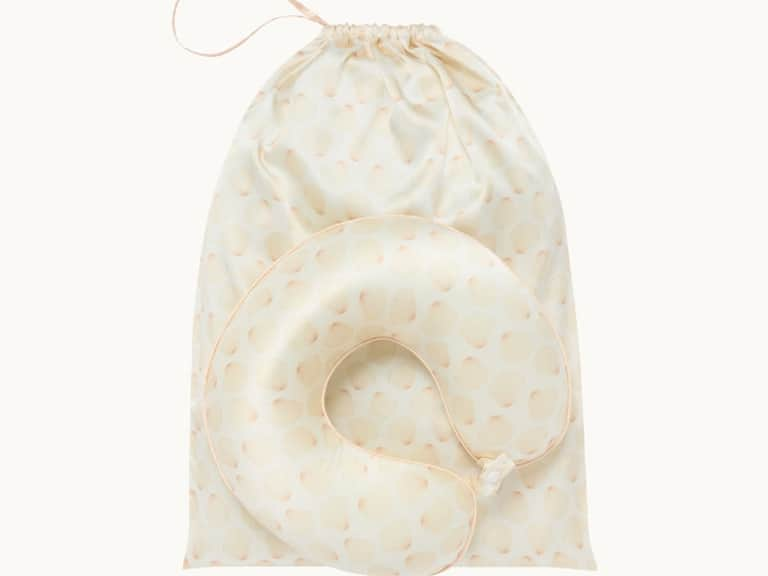
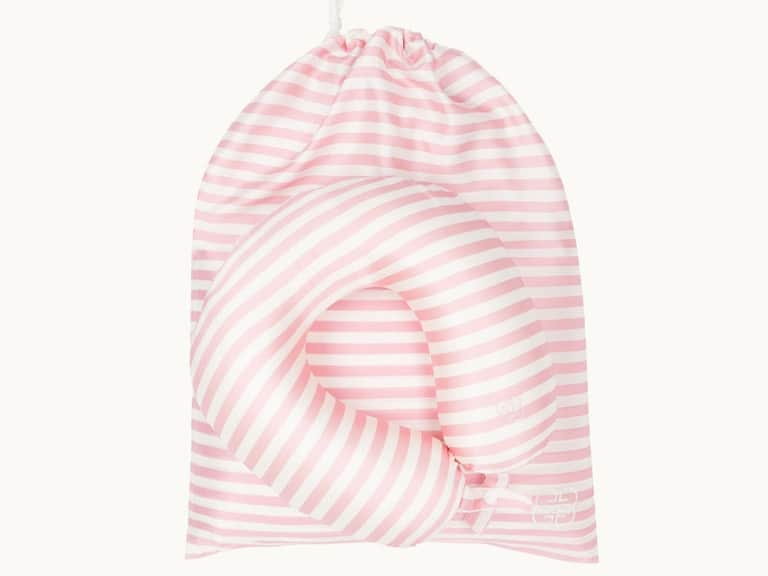
Gingerlily offers a useful starting point for this kind of consumer research because some product information identifies silk content and fabric weight. For example, listings for the Silk Laundry Bag in Pink & Ivory Stripe and the Silk Laundry Bag Seashells describe the products as 100% Mulberry silk; the striped bag is also specified as 19 Momme. Those are useful material and construction details. They do not establish the origin of the fiber, the conditions under which it was produced or whether a particular welfare standard was independently verified.
The aim here is not to assume specific practices by Gingerlily—or to make a verdict about any one brand. It is to show how to read public disclosures carefully, identify what remains unclear and ask focused questions before deciding whether a product fits your priorities.
What does “Mulberry silk” tell you?
“Mulberry silk” generally refers to silk produced by domesticated silkworms, commonly associated with the species Bombyx mori and a diet of mulberry leaves. The term can help distinguish a commonly used silk type from other fibers and silk varieties. It does not, by itself, reveal the farm or country of origin, the precise production method, or the standards used by a supplier.
It is helpful to separate three kinds of information that are often blended together in product copy:
- Fiber identity: What material is the item made from, and what percentage of it is that fiber?
- Product specifications: What are the fabric weight, weave, finish, dimensions and care requirements?
- Supply-chain information: Where was the fiber produced and processed, who supplied it, and what evidence supports claims about responsible practices?
A description that answers the first two questions can still leave the third open. That is a common limitation of product pages across the fashion and home-textile industries. A shopper can recognize what has been disclosed without treating it as a complete account of sourcing.
“Momme,” meanwhile, is a unit used to describe the weight of silk fabric. A 19 Momme specification can help a buyer compare fabric weight and understand something about the finished textile. It does not certify ethical sourcing, prove a particular level of durability or indicate where the silk originated. It is a technical detail, not a traceability credential.
Start with the product page—and note its limits
Good research often begins with the information closest to the product. Read the materials list, care instructions and any details about manufacturing or origin. Look for precise language rather than relying on an overall impression created by polished photography or broad words such as “natural,” “premium” or “responsible.” Those terms may be meaningful in context, but they do not answer every sourcing question.
In the Gingerlily examples above, the available descriptions provide concrete information about fiber composition, and one listing includes a fabric-weight specification. The Seashells listing also identifies a design collaboration and its drawstring format. Those details help describe the product. They should not be mistaken for disclosure of the silk’s farm-level origin or evidence of animal-welfare oversight.
It can be useful to keep a small checklist while browsing. Record what the brand states explicitly, what it supports with a document or standard, and what is simply not mentioned. This makes comparison fairer and reduces the temptation to fill gaps with assumptions. If a brand provides a sourcing policy elsewhere on its site, read that alongside the item-specific description: a general commitment may explain the company’s approach, but it may not establish that a particular product follows a specific route through the supply chain.
For shoppers who care about traceability, the next step is to look for a named origin or a clear explanation of how the company follows materials through suppliers. “Made in” information can be useful, but it may refer to the place where a finished item was assembled rather than where its raw silk was produced. Ask which stage the stated location describes.
Questions about origin and traceability
Silk supply chains can include several stages: silkworm cultivation, cocoon collection, reeling or spinning, yarn preparation, weaving or knitting, dyeing, finishing and final product assembly. These stages may happen in different facilities and regions. A brand may know some parts of that journey more clearly than others, so a useful answer should specify the scope of its knowledge.
Consider asking:
- What country or region is the silk fiber sourced from?
- Does the stated origin refer to the silkworm cocoon, the yarn, the fabric or the finished product?
- Can the company identify the mill or processing facilities involved?
- Does it maintain records linking a finished product to a supplier or production batch?
- How often is supplier information reviewed, and who conducts that review?
- Are there stages in the supply chain for which the brand cannot currently provide traceability?
These questions are deliberately specific. “Is your silk ethical?” invites a broad answer that may be difficult to evaluate. Asking what a claim covers, where the material comes from and what records support it makes the conversation more concrete. A candid explanation of limitations can be more informative than a sweeping assurance with no detail.
Traceability is not an all-or-nothing label. A company might be able to identify its direct fabric supplier but not the farm or cocoon source. That is still useful information if the limits are clearly stated. The important point is to understand the level of visibility, rather than treating a single country-of-manufacture statement as proof that the entire fiber journey is known.
Animal welfare: ask what the method means in practice
Silk raises an animal-welfare question that is easy to overlook when the conversation focuses only on softness or sustainability. Conventional silk production commonly involves harvesting cocoons before the moth emerges, with the cocoon’s continuous filament used to make silk. Practices and methods can differ, and a label alone may not explain what happens at this stage.
Shoppers who consider animal welfare part of their purchasing decisions can ask a brand to describe its production method in plain language. Does it disclose how cocoons are collected and processed? Does it make a claim about allowing moths to emerge? If so, what does that claim mean for the fiber, and what documentation or verification supports it? A method sometimes described as “peace silk” or “ahimsa silk” should not be treated as self-explanatory: terminology and practices may vary, so the details behind the claim matter.
It is also worth asking whether welfare information applies to the exact material in the product or reflects a general company aspiration. If a brand cannot answer a question, that does not automatically demonstrate misconduct. It does tell the shopper that the relevant detail is not currently established in the information available to them.
For a fair assessment, avoid turning uncertainty into an accusation. A more useful approach is to separate confirmed disclosure, independently supported claims and unresolved questions. This keeps the discussion focused on evidence and gives a company a clear opportunity to explain its sourcing practices.
Processing, chemicals and the finished textile
Fiber origin is only one part of a silk product’s environmental and social footprint. Processing can involve water, energy, dyes, finishes and other chemical inputs. The details vary by facility, color, product and production method; without product- or supplier-specific information, it is not possible to draw a confident conclusion about the impacts of an individual item.
Ask whether the brand can identify where its silk is dyed and finished, and whether it has a chemical-management policy for suppliers. If it references a standard or certification, find out whether the standard applies to the raw fiber, the processing facility, the finished textile or another part of the supply chain. These distinctions matter: a certification covering one production stage should not be assumed to cover every stage.
Some frameworks are more relevant to chemical restrictions, some to facility management, and others to animal or material claims. A brand’s reference to an industry standard is most helpful when it names the standard, explains the scope and provides a way to verify current coverage. Shoppers can consult the standard owner’s own materials to learn what is assessed and what falls outside its remit.
Care and longevity belong in the conversation, too. A textile that is maintained well and used for a long time may deliver more value to its owner than one quickly discarded. But durability should be judged through product construction, real-world use and repairability—not inferred solely from a premium price, a fiber name or a fabric-weight figure. Follow the care instructions and consider whether the item suits the way you plan to use it.
Independent verification: what counts as evidence?
When brands make claims about sourcing, shoppers can look for evidence beyond the claim itself. That may include a current certificate, a supplier code of conduct, a publicly available policy, a third-party audit summary or a traceability report. Each document has limits, and not every useful disclosure will be public. Still, naming the evidence and explaining what it covers makes a claim easier to assess.
A few practical questions help distinguish a meaningful reference from a vague badge:
- Who administers the standard or verification program?
- Is the company, supplier, facility or specific product covered?
- Is the verification current, and can its status be checked?
- Does the assessment include the issue you care about, such as chemical management, traceability or animal welfare?
- Is the process an independent audit, a supplier self-assessment or a company policy?
These are not gotcha questions. They help put a claim in context. A supplier code of conduct can describe expectations, for example, but the existence of a code does not by itself demonstrate how consistently it is enforced. An audit may offer independent review, while still being limited to a particular facility, period or set of criteria. The strongest reading is precise about both what evidence shows and what it cannot show.
Shoppers can also check whether the brand explains how concerns are handled. Is there a process for reviewing suppliers, addressing non-compliance and making improvements? Does the company describe how it responds when it cannot verify a claim? Transparency is not just a list of positive statements; it is also clarity about oversight and unresolved gaps.
How to contact a brand without getting lost in the jargon
A short, direct message is often enough to begin. Identify the product, explain which issue matters to you and ask for a specific detail. You do not need to be a textile specialist to request clarity. For instance: “Your product description says this item is made from 100% Mulberry silk. Can you share the country of origin for the silk fiber, and clarify whether that refers to the cocoon, yarn or finished fabric?”
For a welfare-focused follow-up, you might ask: “Can you explain the cocoon-processing method used for this silk, and whether the information applies to this product specifically?” To understand verification, try: “Do you use a named independent standard or audit for the relevant suppliers, and what parts of the supply chain does it cover?”
Keep the answer with the product information you reviewed, and note the date. Sourcing arrangements can change, and a response about one collection or production run may not apply indefinitely. If the reply uses broad language, a polite follow-up asking for scope or documentation can help. If no response arrives, treat that as an information gap rather than proof of any particular practice.
Brands that publish a clear sourcing policy, update it regularly and distinguish verified facts from goals make this process easier. So do product pages that connect general policies to specific materials. Over time, consumer questions can encourage better disclosure across the industry, especially when they are consistent, respectful and focused on information that can be checked.
A simple framework for comparing silk products
When comparing Gingerlily with other options, use the same questions for each brand. A compact framework can keep the process manageable:
- Material: Is the fiber composition clearly stated, including percentages and any lining or trim?
- Origin: Does the company explain where the silk fiber comes from, rather than only where the item was made?
- Process: Is there information about reeling, weaving, dyeing and finishing, or a clear account of which stages remain unknown?
- Welfare: Does the brand explain its cocoon-processing approach and support any animal-welfare claims?
- Verification: Are standards, audits or other evidence named, current and relevant to the claim?
- Accountability: Does the company describe how it monitors suppliers and responds to problems?
You can rate each category as “disclosed,” “partly disclosed” or “not found,” without pretending that this is a formal certification score. The exercise is a way to make your own priorities visible. Perhaps fiber origin matters most to you; perhaps you are focused on animal welfare, processing chemicals or the credibility of third-party checks. Clear priorities can make it easier to choose without expecting one product page to answer everything.
For the Gingerlily listings cited here, the available product information makes certain material and product specifications visible. On its own, that information does not answer every question in this framework. The next step is to seek brand-level or supplier-level disclosures and verify what each statement actually covers.
Silk alternatives and the bigger picture
Some shoppers may decide that conventional silk does not align with their values; others may prioritize natural fibers, product longevity or a particular material feel. Alternatives include regenerated-cellulose textiles and various synthetic or plant-based fabrics, but the word “alternative” does not automatically mean lower impact or better labor and animal outcomes. Each material has its own sourcing, manufacturing, durability and end-of-life questions.
When comparing options, ask the same careful questions: What is the fiber made from? What resources and processing are involved? How long is the product likely to remain useful? Can it be repaired, reused or responsibly managed at end of life? A meaningful comparison needs product-specific evidence and a clear account of the boundary being measured. Broad claims that one material is universally “sustainable” tend to conceal important trade-offs.
There is no single perfect purchase decision for every shopper. A considered choice may mean buying less, choosing an item that suits a real need, caring for it well or selecting a material whose documented practices better match personal priorities. The value lies in asking informed questions and being honest about what the available information can—and cannot—establish.
The takeaway: read closely, ask specifically
Silk sourcing is more than a fiber name on a label. It touches origin, processing, animal welfare, supplier relationships and the reliability of the information a brand shares. Product descriptions for Gingerlily silk items offer a starting point by identifying material details such as 100% Mulberry silk, and one listing specifies a 19 Momme weight. Those disclosures are useful, but they are not a substitute for supply-chain traceability or independently verified welfare information.
For shoppers, the most productive approach is neither automatic trust nor automatic suspicion. Start with what is stated. Separate product specifications from sourcing evidence. Ask where the fiber comes from, which production stages are covered, how animal-welfare claims are defined and what independent verification exists. Where answers are incomplete, record the gap without treating it as proof of a practice.
That kind of informed curiosity can make a luxury textile feel less like a mystery. It gives consumers a clearer basis for choosing, helps brands understand which disclosures matter to their customers and keeps the conversation grounded in facts rather than assumptions.